DPDP for gig platforms: riders, customers, ratings, and live location
By Praveen ·
A delivery or ride-hailing app processes personal data of both the customer and the worker. Location, ratings, and KYC each need a purpose, not a permanent lake.
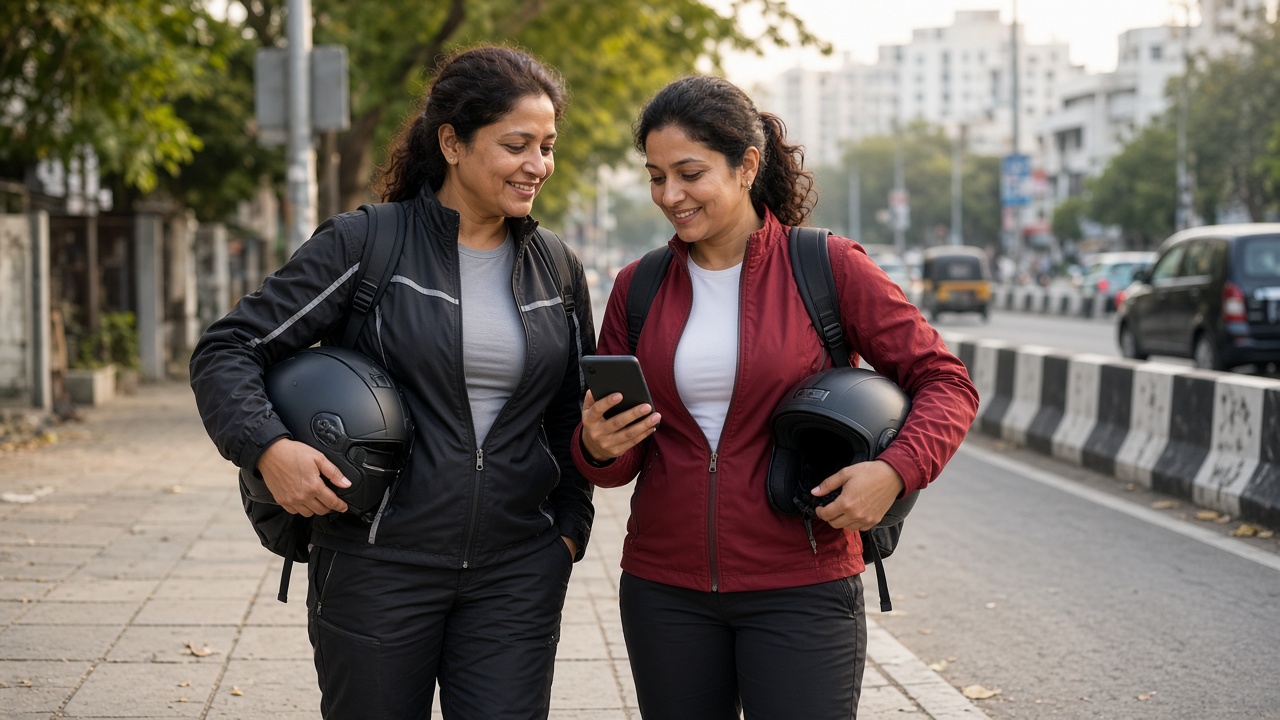
Two principals, one app
A ride-hailing or delivery platform processes personal data of the customer (name, phone, pickup, drop, payment token, ratings) and of the worker (KYC, live location, earnings, ratings, device identifiers). The company that decided to run the app is the Data Fiduciary for both. Whether labour law calls the rider an employee or a partner does not erase DPDP. Employment as a Section 7 legitimate use may cover some worker processing. It does not cover selling either side’s location graph to an advertiser.
Processors include maps vendors, cloud hosts, background-check firms, and payout banks. You remain responsible. A fleet vendor who uses rider KYC for its own loan product has started a new purpose.
Live location is not a souvenir
Sharing live location with the customer during a trip is a purpose they can understand. Keeping a precise trail for months after delivery, or showing a rider’s home cluster on an internal heat map for fun, is extra. Say what you keep, for how long, and who sees it. After the trip, coarse data for disputes and safety may still have a ground. A public leaderboard of home addresses does not.
Customers should be able to withdraw marketing as easily as they tapped yes. Transactional “your rider is arriving” messages can continue. Festival loan spam should stop. Workers should get a notice they can read, not only a click-wrap in English they cannot change.
Ratings, chat, and CCTV in bags
Ratings are personal data about the worker and about the customer. Use them for the matching and safety purpose you stated. Do not publish a named “worst riders” page. Chat logs and call recordings need a notice and a short retention. A dashcam or bag camera, if you require it, is processing. Say where the footage goes, and do not use it for public shaming.
KYC images of workers are high-harm files. Encrypt, limit access, delete when the account and the legal retention end. A leaked folder of Aadhaar selfies is a personal data breach. Tell people and the Board as the Rules require.
Children, restaurants, and dark stores
If a child can hold an account, Section 9 applies: verifiable parental consent, no tracking or ads directed at children. A family account that profiles a minor’s snack orders for ads is the design the Act wanted to stop.
Restaurant and dark-store partners who receive a customer’s name and number for a single order should not keep that number for their own WhatsApp list unless they have a ground. Put that in the partner contract. You chose them.
When someone asks to see or erase the file
A customer or a worker may ask for a summary of their data and who it was shared with, a correction of a wrong KYC name, or erasure of what you no longer need. Build a path that support can actually run, in the Rules’ time. If you refuse, name the law (tax, payment, a police hold). “Safety algorithm” is not a statute.
Ignored people can go to the Board after the in-app grievance. Section 15 still applies: no impersonation, no false complaints. A real ignored request to stop using a number after the account is closed is not frivolous. Official text always wins over this summary.
More articles
- DPDP for accountants: client files, tax records, and consent
- DPDP for doctors: clinics, records, and who may see a file
- DPDP for mental health workers: notes, stigma, and sharing
- DPDP for banks: KYC, marketing, and the right to a correction
- DPDP for hospitals: wards, vendors, and a working grievance desk
- DPDP for retailers: loyalty, CCTV, and marketing that can be switched off
- DPDP for lawyers: client files, privilege, and the firm as fiduciary
- DPDP for insurers and TPAs: claims, medical files, and a second purpose
- DPDP for telecom and internet providers: KYC, CDRs, and spam
- DPDP for HR and employers: staff files, CCTV, and life after exit
- DPDP for housing societies and RWAs: cameras, visitors, and WhatsApp groups
- DPDP for hotels and travel agents: guest records, passports, and booking platforms
- DPDP for pharmacies: prescriptions, loyalty, and who the bill is shared with
- DPDP for edtech: adult courses, children’s apps, and what the school guides already cover
- DPDP for journalists and newsrooms: sources, CMS, and what the Act does not exempt
- All DPDP articles
Ready to use a right? Draft a notice in your browser. Official text always wins over a summary. Draft a notice