Children and schools
Cameras on the school bus: what parents can ask
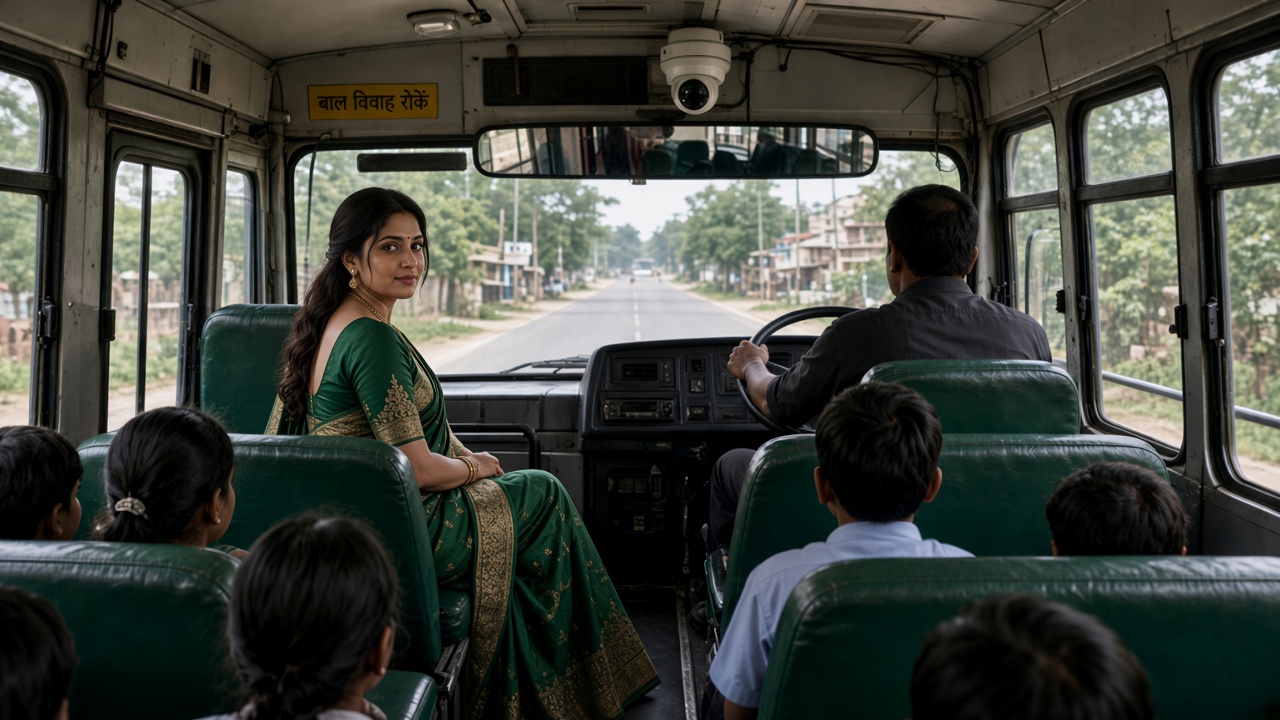
CCTV on a bus records identifiable children. Under DPDP that is digital personal data. Purpose, who watches, how long clips are kept, and whether video leaves the bus all matter.
A camera is not “just security”
A camera on a school bus that can recognise a child’s face is processing personal data. If the recording is digital, which almost all of it now is, the Digital Personal Data Protection Act, 2023 applies. The child is the Data Principal. The school that decided to fit the camera, or the contractor that decided how the footage is used, is the Data Fiduciary. Parents and guardians act for the child.
Schools install cameras for real reasons: bullying, a dispute about a drop-off, a driver’s conduct, or a crash. Those purposes can be legitimate. They do not allow a live stream to a public page, a staff group that forwards clips for jokes, or a vendor that keeps every ride for years. Section 9 still requires care with children’s data, and it forbids tracking, behavioural monitoring, and targeted ads directed at children. A camera used to profile how a child “behaves” on the ride is in a different category from a camera kept dark until an incident.
Inside the bus versus a live feed
A closed recording that only a few people can play after an incident is one design. A live feed on an attendant’s phone, a parent app, or a control room that watches every seat all day is another. Live viewing of identifiable children is closer to monitoring. If the feed is child-level and continuous, you should ask how that sits with Section 9’s bar on tracking and behavioural monitoring, and whether a notified exemption actually exists for that product.
Audio is a further step. A microphone picks up conversations, medical talk, and home addresses said out loud. If the school claims it needs video, ask separately whether it needs sound. Many disputes can be resolved with a silent picture of who was on the bus. Always-on audio is a larger harvest of a child’s life.
Who may watch, and who may receive a clip
The notice should name the people who can play footage: transport in-charge, principal, a defined security desk, the police when lawfully asked. It should not be “anyone with the WhatsApp group”. Other parents are not investigators. Sharing a clip of your child with the class group, or with a journalist, is a new disclosure. The school needs a lawful ground for that disclosure, not only for having fitted the camera.
If another parent demands “the CCTV of my child’s fight”, the school should not hand over a file that shows every other child. Access under Section 11 is about your child’s data, not a right to a class movie. The school can extract or mask other faces where it can. A blanket dump of the ride is a gift of other children’s personal data.
How long the clip should live
Security footage has a short useful life if nothing happened. A few days or a few weeks, set in a written policy, is the usual pattern in other sectors. Keeping a term of rides “in case” is hoarding. If an incident is reported, freeze that clip, note the date, and keep it for the inquiry or the police request. Tell the parent of a child in that clip that a copy is being retained and why.
Vendors love infinite cloud archives. Ask where the servers are, whether the vendor watches for “quality”, and when automatic deletion runs. A processor must follow the school’s instructions. If the contract is silent on deletion, the school has not done the Section 8 job of controlling its processor. You can ask for erasure of your child’s footage once the purpose is over, except where a named legal process requires the file.
Leaks, WhatsApp, and the news
The harm that follows a bus-camera leak is obvious: a child’s face, uniform, and route on the internet. If a clip leaves the authorised circle, that can be a personal data breach. Section 8(6) requires the Data Fiduciary to intimate the Data Protection Board and affected Data Principals in the prescribed form. A quiet apology in the parent meeting is not that intimation.
If you see your child’s bus footage on social media, write down the URL, the date, and who posted it. Ask the school whether the clip came from their system, who had access, and what they have told the Board. Ask them to take down what they still control and to instruct the vendor. You can also ask platforms to remove the post, which is a separate path from DPDP.
A short list to send the school
Ask whether cameras are recording, whether there is audio, whether the feed is live or only stored, who can watch, how many days of footage exist, which vendor hosts it, and what happens when a parent or the police asks for a clip. Ask them not to share your child’s face with other parents or on social media. Ask for a non-camera way to raise a transport complaint if you do not want your child on a live app.
Put it in a dated letter to the published grievance contact. If the school has no answer, that fact belongs in a follow-up. Cameras can be a fair safety tool when the circle is small and the retention is short. They become a DPDP problem when they are a content feed. This site can help you draft the notice. It is not legal advice.
More guides
- Does my child’s school need consent to take attendance?
- Can a school track my child on the school bus?
- Photos of my child at a school event
- All DPDP guides
Ready to use a right? Draft a notice in your browser. Official text always wins over a summary. Draft a notice