Children and schools
Photos of my child at a school event
A picture at Annual Day is personal data of a child. Taking it for the school album is one purpose. Posting it on Instagram, a WhatsApp group, or a vendor’s ad is another.
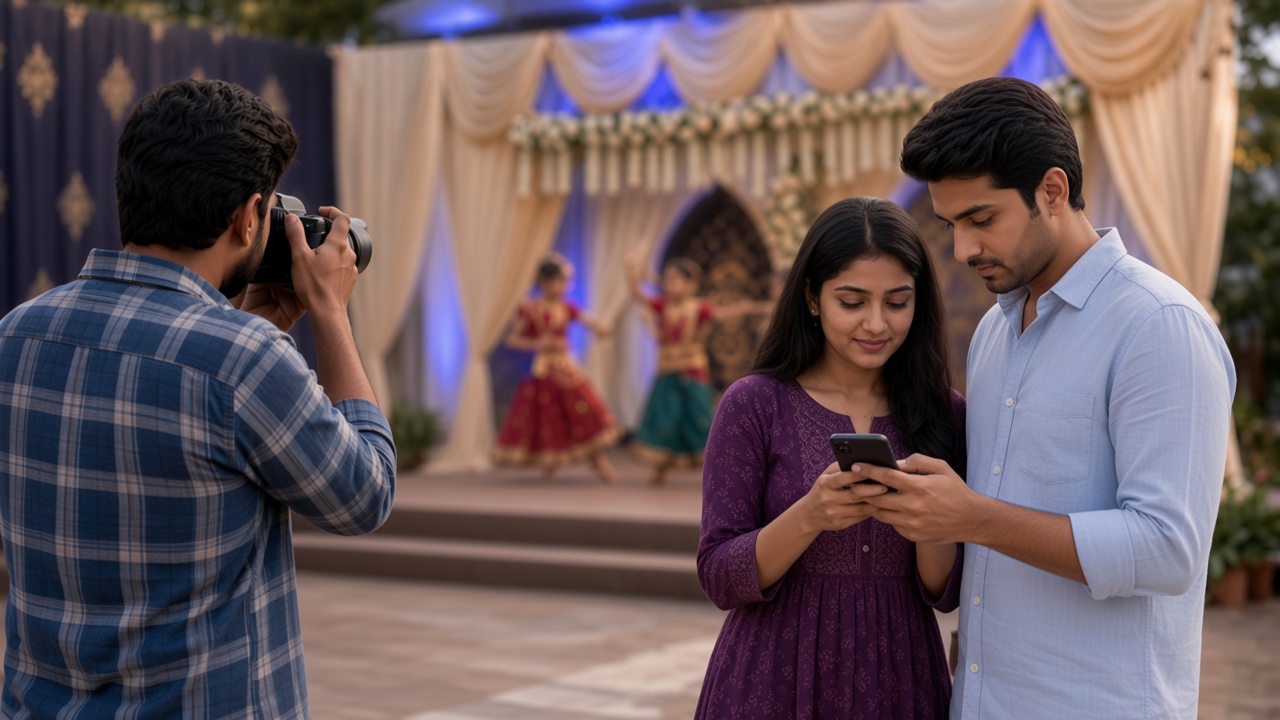
A photograph can identify a child
A still photo, a video of a dance, a live stream of Annual Day, and a class selfie on the teacher’s phone can all identify a child. That makes them personal data. If they are stored or sent digitally, the DPDP Act applies. The child is the Data Principal. The school that decided to shoot, keep, or publish is the Data Fiduciary. You act for the child as parent or guardian until eighteen.
From 13 May 2027, Section 9 will require verifiable parental consent before processing a child’s personal data, subject to the specific exceptions in Rule 12 and the Fourth Schedule. Event photos used for admissions advertising need their own lawful basis and parental consent. The Act will also restrict tracking and targeted advertising directed at children.
Taking a picture is not the same as publishing it
Schools have long taken photographs for identity cards, the annual magazine, a display board in the corridor, and a copy sent home. Those uses can sit close to the educational purpose you already signed up for, if the circle is the school community and the child is not being sold as content. Even then, a notice should say that photography will happen, where the pictures will live, and how you object for your child.
Publishing is the jump. Putting the same picture on the school’s public Instagram, Facebook, YouTube, or a press release shows the child to the world. A third-party photographer who keeps the raw files and sells “memory packages” is another fiduciary or processor. A live stream of the concert is continuous disclosure. Each of those needs a purpose you can say yes or no to. A single line in the admission file from nursery is a poor consent for this year’s public reel.
Other parents, phones, and the class group
The Act does not try to police a grandparent in the audience who takes a snap of their own child for a family album. Processing purely for a personal or domestic purpose is outside the Act. The moment that parent, or the class teacher, puts a group photo of many children into a public album, a broadcast WhatsApp list, or a business page, it is no longer a family souvenir. Other children’s faces are other Data Principals.
Schools can set a house rule for events: no uploading of other people’s children, or only a closed class group that is not public. That rule is not a DPDP exemption. It is how the school, as fiduciary of the event it organised, tries to keep the purpose small. If a teacher runs the unofficial class group and posts every child, the school should own that channel or shut it down. “It is only WhatsApp” is not an answer.
Vendors, ID cards, and leftover files
Identity-card photos have a tight purpose: the badge. They should not migrate into a marketing folder. A hired cameraman should be under contract as a processor: shoot the event, deliver the school a copy, delete or return the rest, no stock-photo use, no tagging children on a public portfolio. Ask whether the vendor is allowed to put your child on their own website as a sample of school work. That is advertising, and if it is aimed at filling classrooms it still uses a child’s face.
Ask how long event galleries stay online. Last year’s concert on an open YouTube link is still processing. When the child leaves the school, leftover public photos should be taken down or masked unless you still want them up. You can ask for erasure under Section 12 of copies the school controls. Copies already saved by relatives are harder. Ask for what the school can actually delete, and for a written confirmation.
How to say no without isolating the child
A good school can put the child in the play and still keep them out of the public stream: a seat off the main camera line, a print-only yearbook, a closed parent gallery instead of Instagram, or a face blur on the public cut. Refusing public photos should not mean the child sits out Annual Day. Using participation as leverage is how consent stops being free under Section 6.
Be specific in the letter. “You may take photos for the ID card and the internal yearbook. You may not post my child on public social media, in advertisements, or in a vendor portfolio. Please keep group shots of my child out of the class WhatsApp group that includes people I do not know.” That is a purpose-by-purpose instruction, which is what the Act’s idea of specific consent looks like in a school hall.
If a picture is already out
Write to the school with the link, the date, and what you want: take-down, a blur, a stop on further posts, and confirmation that the vendor has deleted the raw file. Ask who authorised the post. If the school used the photo for ads or a brochure you never agreed to, say so. If the post came from another parent, ask the school to remind the community of the house rule and to help with a take-down where they still control the channel.
If they ignore you, use the grievance process, then the Board. Do not impersonate anyone or harass another family in the group; Section 15 still applies to you. A calm, dated request about a child’s image is not a frivolous complaint. This site can help you draft it. It is not legal advice, and official text always wins over a summary.
More guides
- Does my child’s school need consent to take attendance?
- Can a school track my child on the school bus?
- Cameras on the school bus: what parents can ask
- All DPDP guides
Ready to use a right? Draft a notice in your browser. Official text always wins over a summary. Draft a notice