Your DPDP rights when the government holds your data
By Aishwarya ·
Many public offices are Data Fiduciaries. Some notified State processing is exempt. Here is how to tell the difference and what you can still ask for.
The State can be a Data Fiduciary
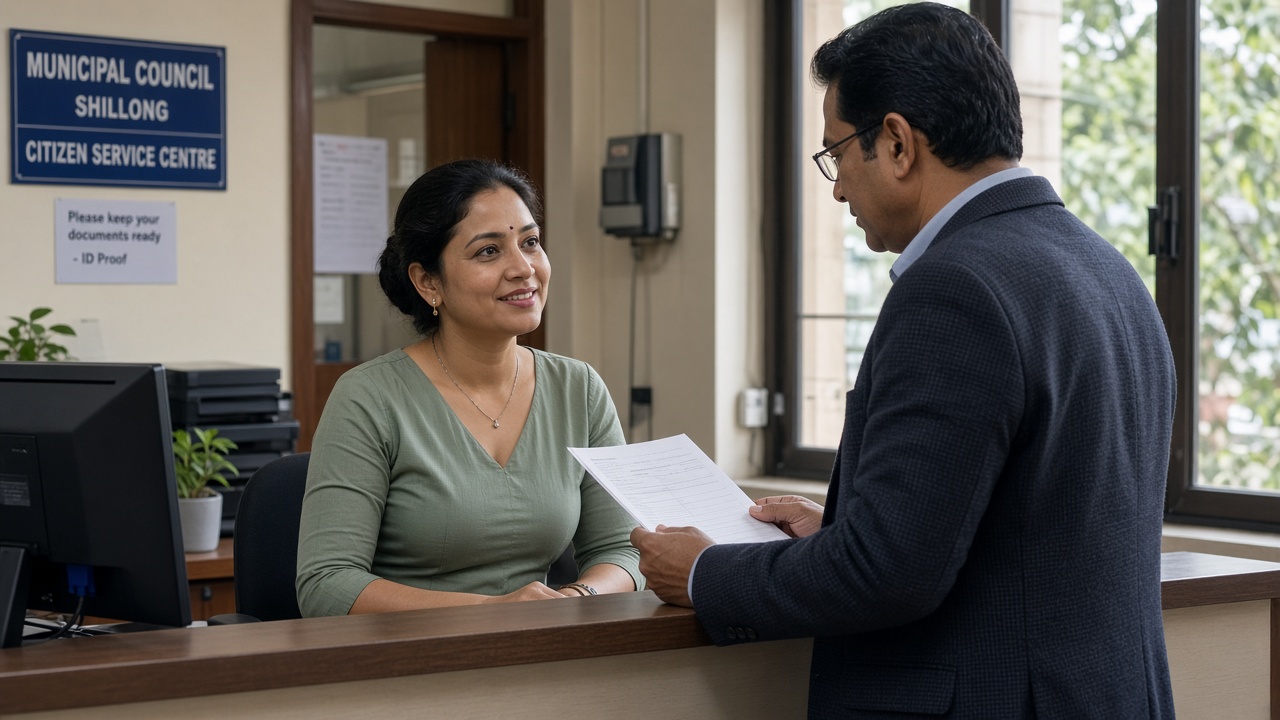
A municipal body that runs a property-tax portal, a transport department that issues licences, a public hospital, a State scholarship portal, and a central ministry that stores your application in digital form all process personal data. When they decide why that data is used and how, they are Data Fiduciaries under the Digital Personal Data Protection Act, 2023. You are still the Data Principal. The vocabulary does not change because the letterhead is the State.
Section 7 allows certain legitimate uses without a consent screen, including specified uses by the State for the purposes listed in the Act, and data you volunteered for a stated purpose. That is why a subsidy portal can process the application you filed without a separate marketing-style opt-in. It is not why the same portal may sell the list to a private lender, or keep texting you about an unrelated campaign after the scheme has closed.
When the Act does not apply
Section 17 carves out processing that the Act “shall not apply” to. The important one for citizens is processing by an instrumentality of the State, as notified by the Central Government, in the interests of sovereignty and integrity of India, security of the State, friendly relations with foreign States, maintenance of public order, or preventing incitement to a cognisable offence. The notification matters. An ordinary municipal billing system is not, by default, a security exemption.
There are other carve-outs, including certain research, archiving, and statistical work, and processing by courts and other bodies in their judicial or legal functions as the section describes. If an office refuses your request, ask them to name the clause and the notification. “We are the government” is not a citation. If they cannot point to a notified exemption or another listed ground, treat them as a fiduciary and use the rights in Sections 11 to 14.
Notice, access, and correction in public systems
Where the Act applies, you should still get a notice of what is collected and why, in language you can read, and in English or an Eighth Schedule language if you ask. You can request a summary of your personal data and of other entities it was shared with, subject to the limits in Section 11, including certain investigation-related disclosures. A public dashboard that describes “users” in general is not a summary about you.
Correction is often the right that matters most with the State: a misspelt name that blocks a passport, a dead person’s PAN still linked to your mobile, a property record that shows the wrong owner. Section 8 already requires reasonable efforts to keep data accurate if it is used to decide or to disclose. A DPDP correction request is one way to start that clock. RTI can still be the better tool for some public records. You do not have to pick only one forum if the facts support both, but do not hide a parallel case if it is material.
Aadhaar, tax, police, and welfare
Aadhaar, income-tax, GST, police, and welfare databases are large, and they mix lawful State functions with ordinary service delivery. A KYC use required by a statute is a legal duty. A private contractor who uses the same demographic file to run a marketing campaign is not performing that duty. Follow the purpose. If a welfare app adds a private analytics SDK that profiles beneficiaries for ads, that extra purpose needs a ground the Act recognises.
Police and security processing may sit inside a Section 17 notification. That does not make every district portal exempt. A traffic-challan site, a municipal grievance app, or a public-university admission form is usually ordinary fiduciary processing. Ask. If they claim an exemption, get it in writing. If they go silent, that silence is itself something the Board can look at, unless the processing is truly outside the Act.
How to complain, and what this site will not do
Where the office is a Data Fiduciary, use its published grievance channel first. Then, if the process is missing, too slow, or a sham, you can complain to the Data Protection Board of India. Keep dates and copies. Do not impersonate anyone or hide facts that matter; Section 15 still applies to you, and a false complaint can attract a penalty of up to ₹10,000.
Some government harms belong in other forums: a writ, a consumer case, a police complaint, an RTI appeal. The Board is the DPDP forum. This site helps you draft a notice that tracks the Act. It does not file it, it does not represent you, and it is not MeitY’s public-grievance portal. Official text always wins over a summary. If the office is exempt, the honest answer may be that DPDP is the wrong statute, not that you have no rights at all.
More articles
- Your DPDP rights when a shop or shopping app holds your data
- Your DPDP rights when an employer holds your data
- Your DPDP rights when banks and NBFCs hold your data
- Your DPDP rights when insurers and TPAs hold your data
- Your DPDP rights when a telecom or internet provider holds your data
- Your DPDP rights when hospitals and labs hold your data
- Your DPDP rights when a housing society or RWA holds your data
- Your DPDP rights when apps and social media hold your data
- Your DPDP rights when a family member dies
- All DPDP articles
Ready to use a right? Draft a notice in your browser. Official text always wins over a summary. Draft a notice